
Nadyr Chair.
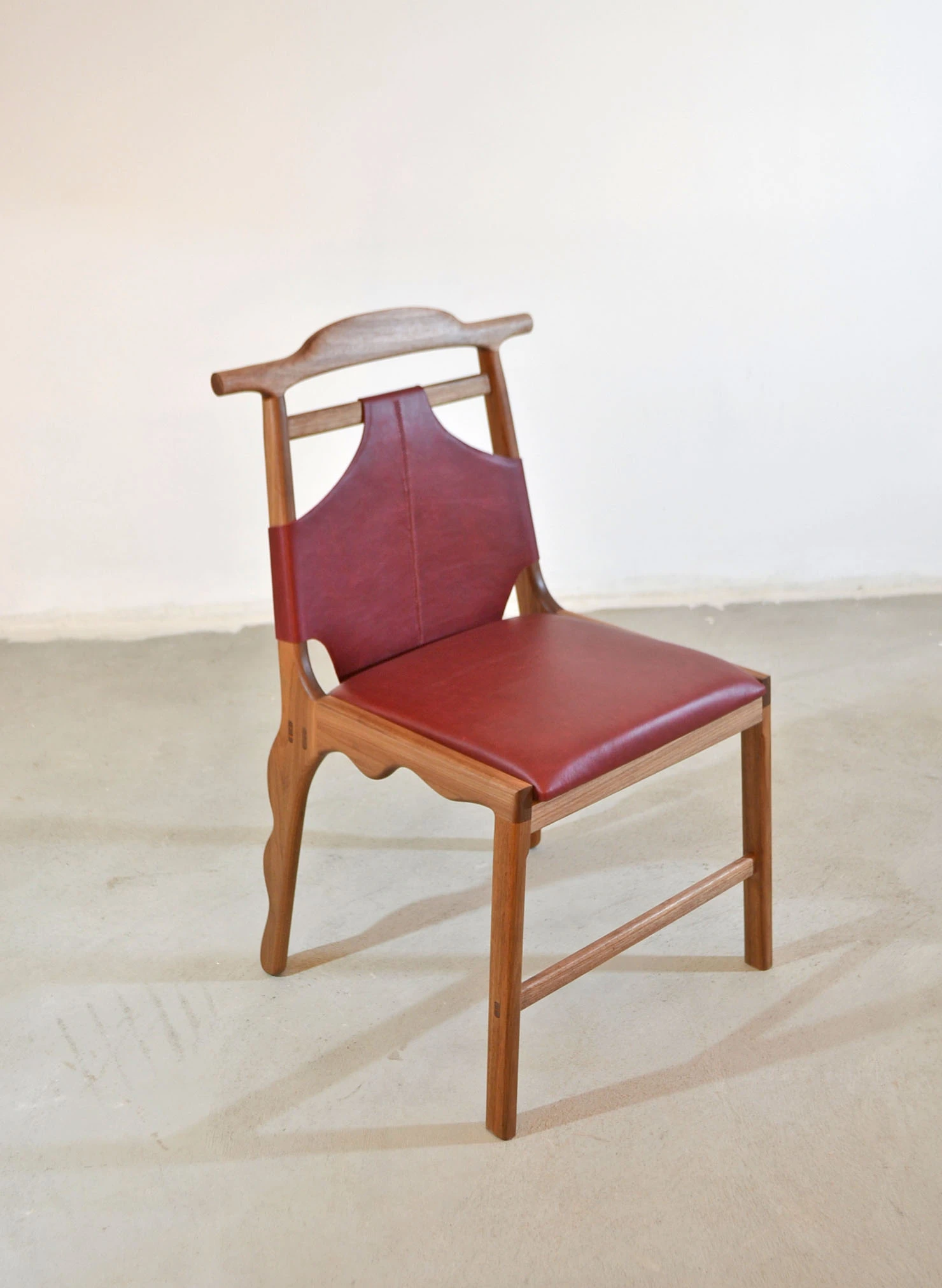
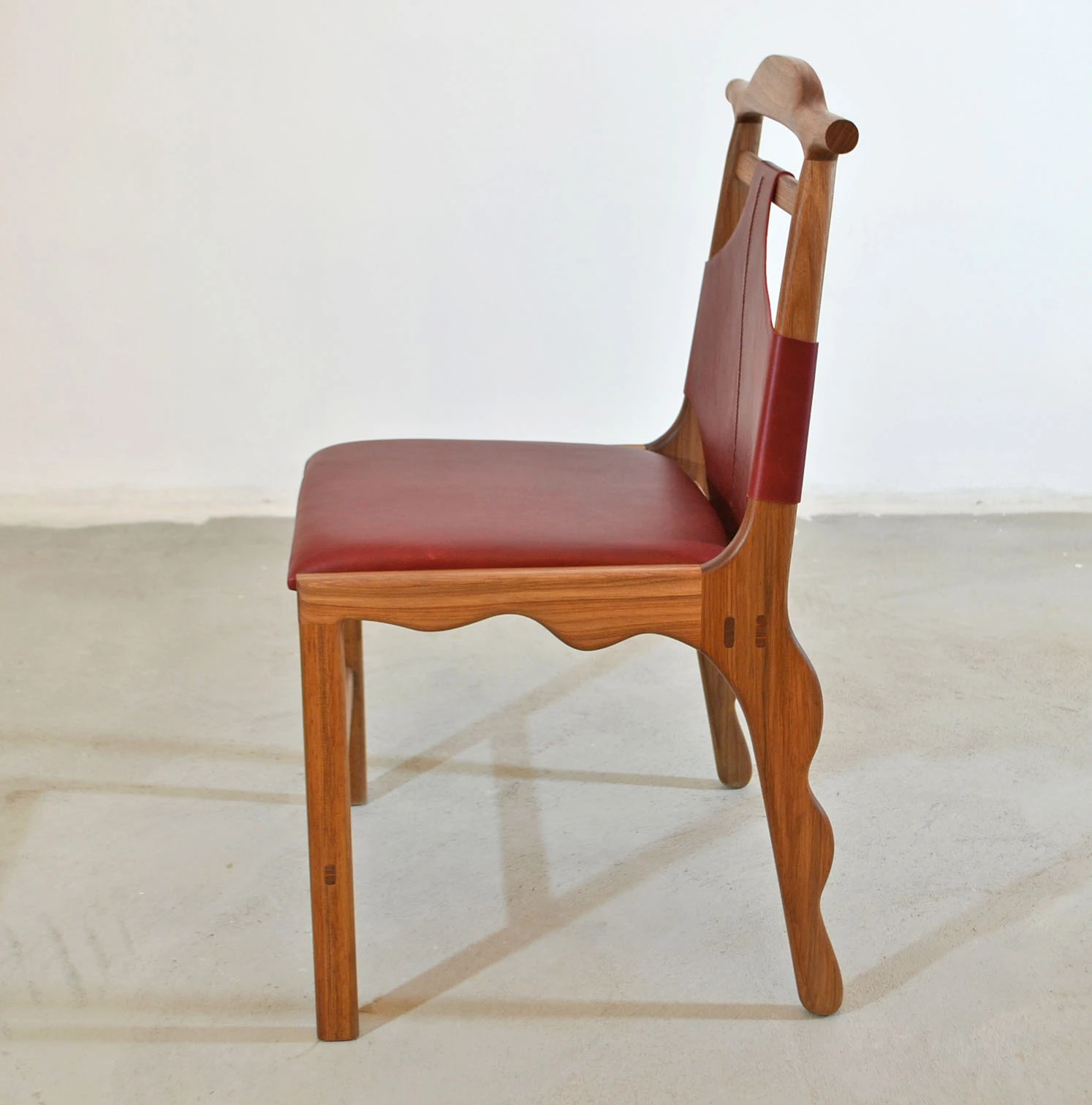
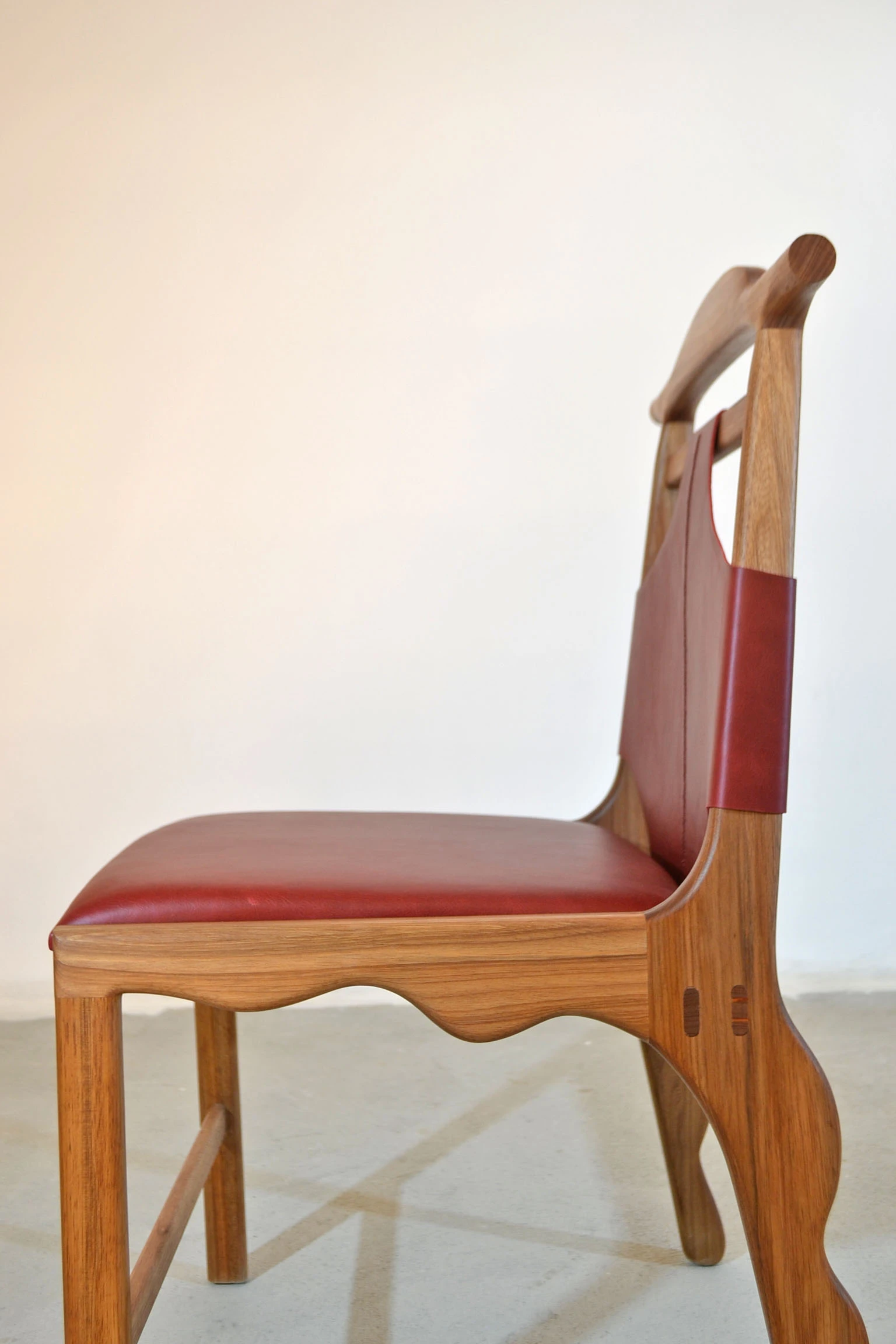
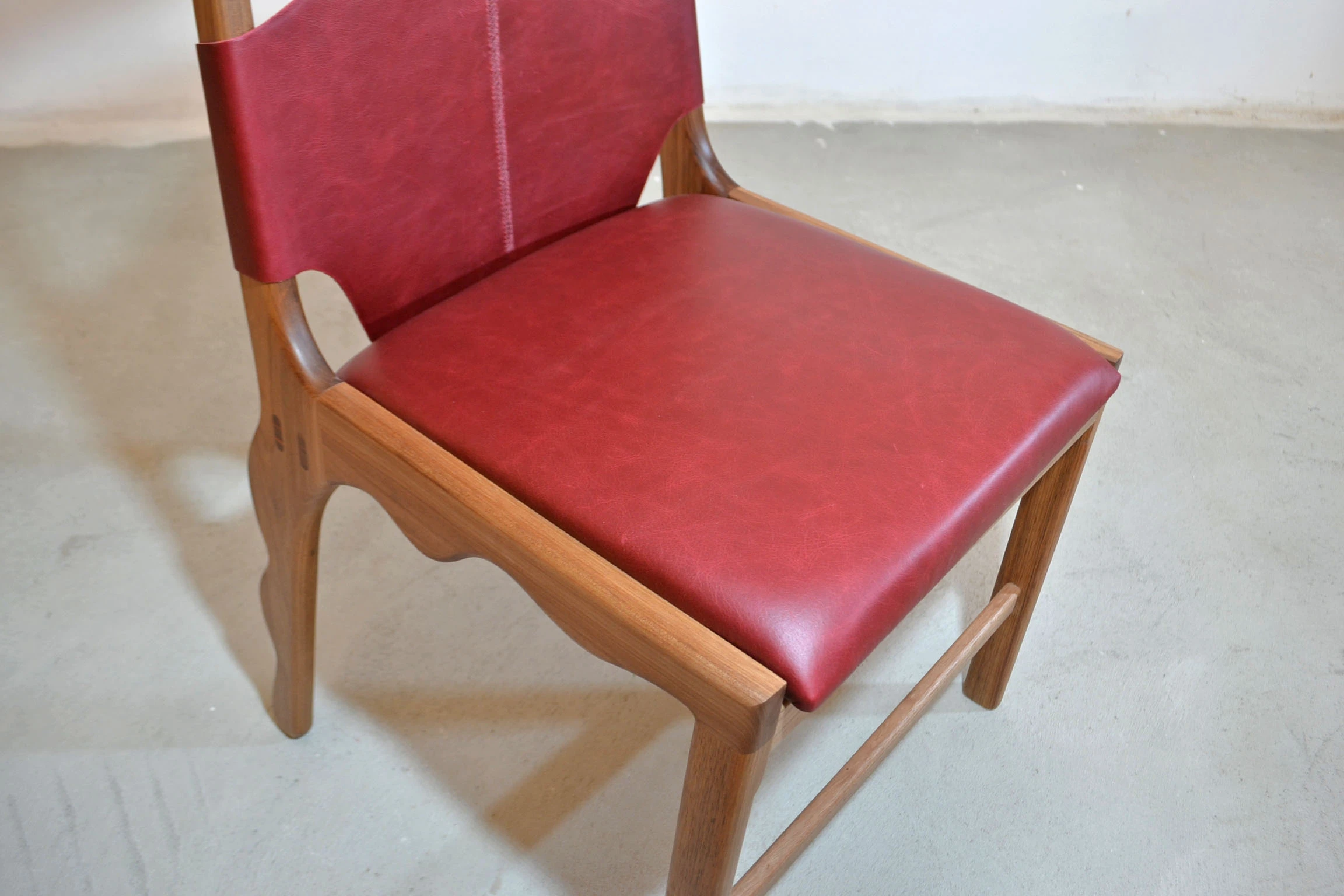
An original chair in solid jequitibá-rosa, with seat and backrest in natural leather — smooth or hand-woven. Two versions: natural and ebonized.
A piece that
carries a name.
This is the Nadyr Chair — a piece that carries my grandmother's name, and much of her presence. I grew up with her by my side, at the table, over coffee and conversation, where I learned, even in silence, what it meant to be strong.
It was also in a chair that I said goodbye to her for the last time. That memory became form: a tribute made of material, line, gesture and memory — presence and absence meet here, in the firmness of the leather and the warmth of the wood.
The same structure, two finishes — the choice belongs to whoever receives the piece.
From the workbench
to the weave.
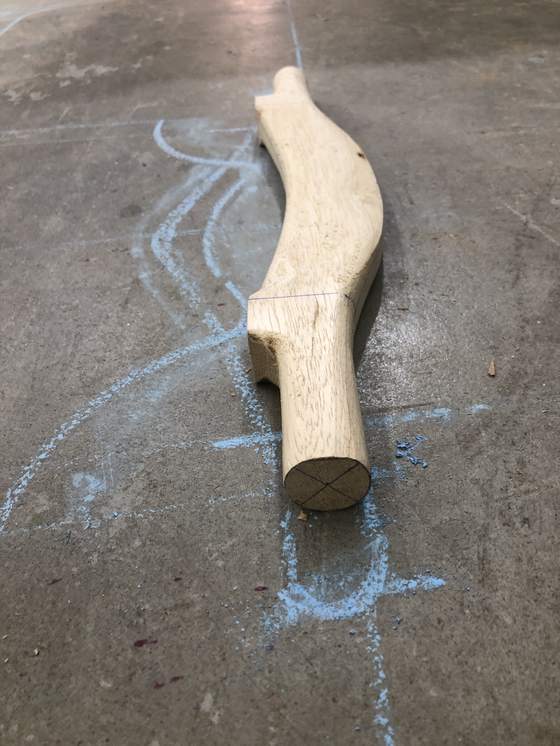
The drawing of the piece is transferred onto the solid wood before cutting.
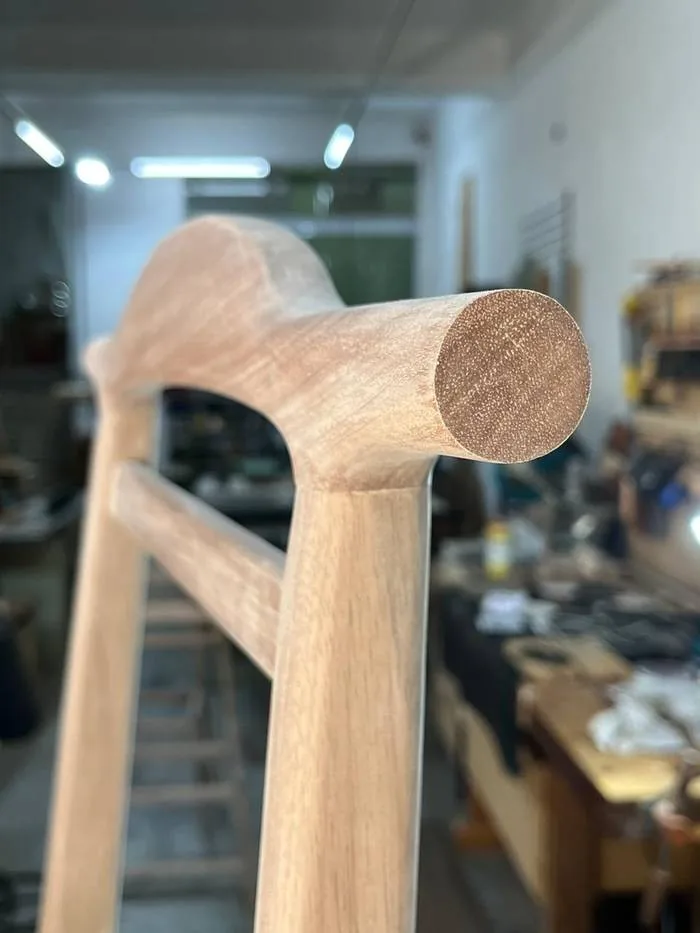
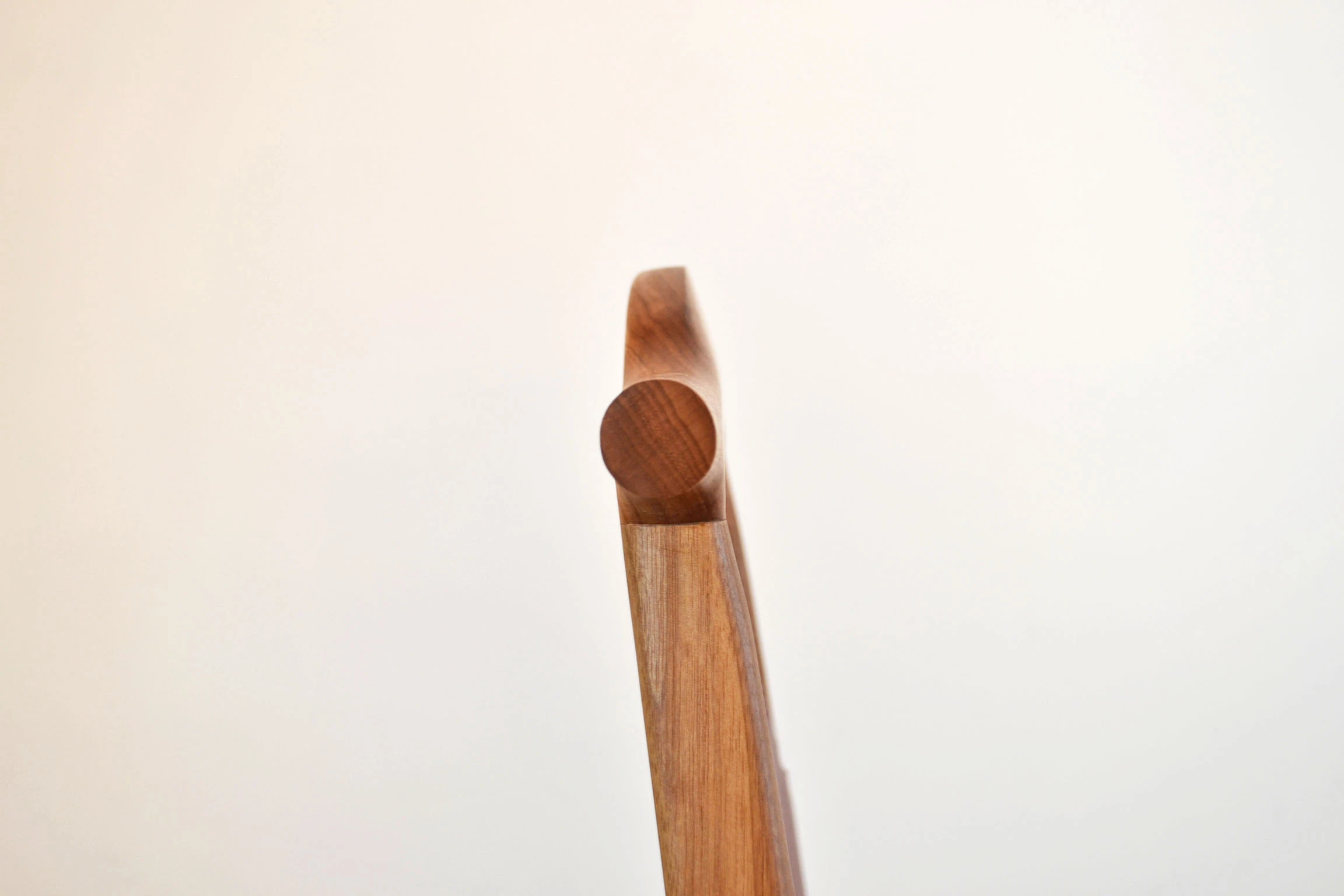
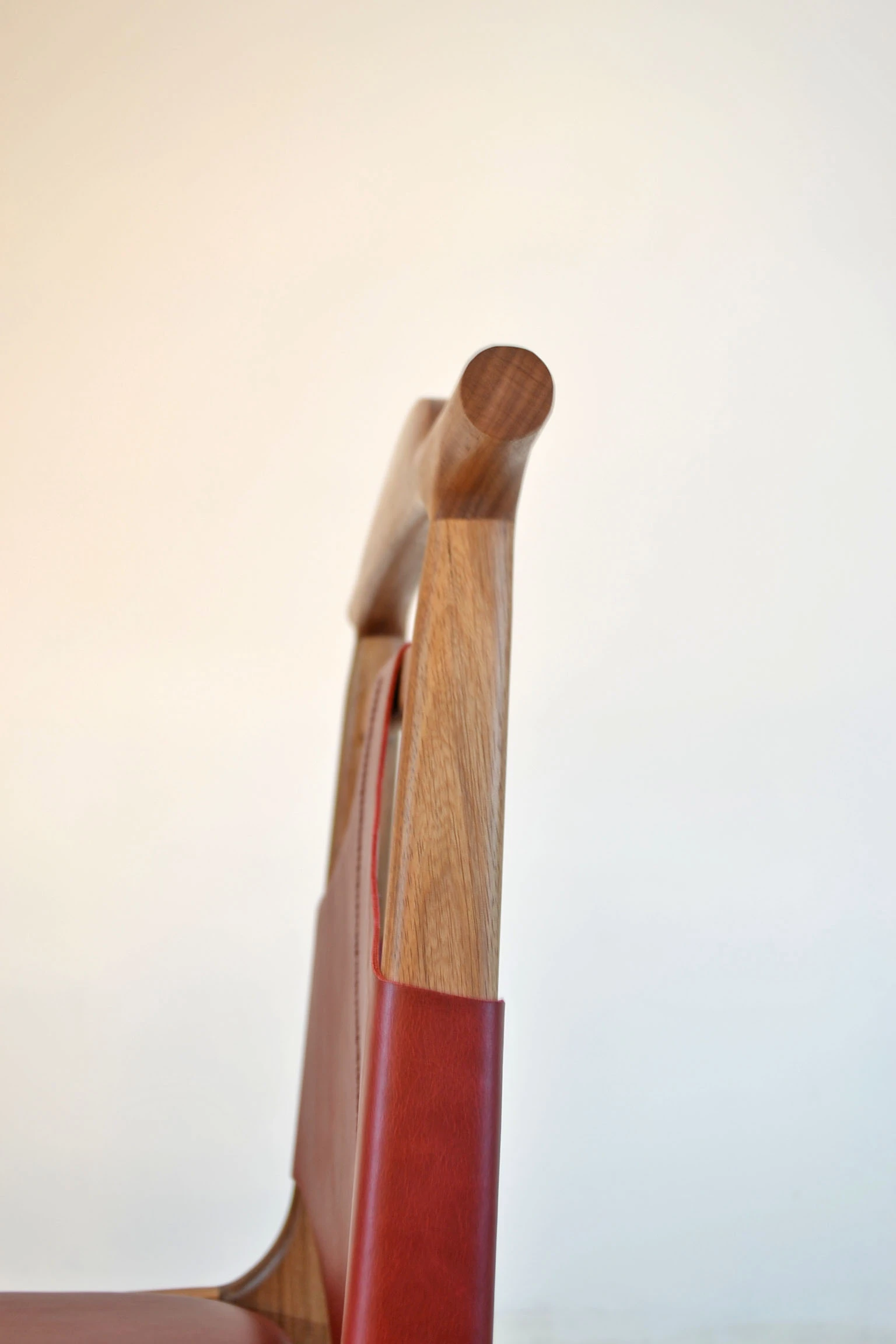
The backrest is carved by hand, piece by piece, until the curve takes shape.
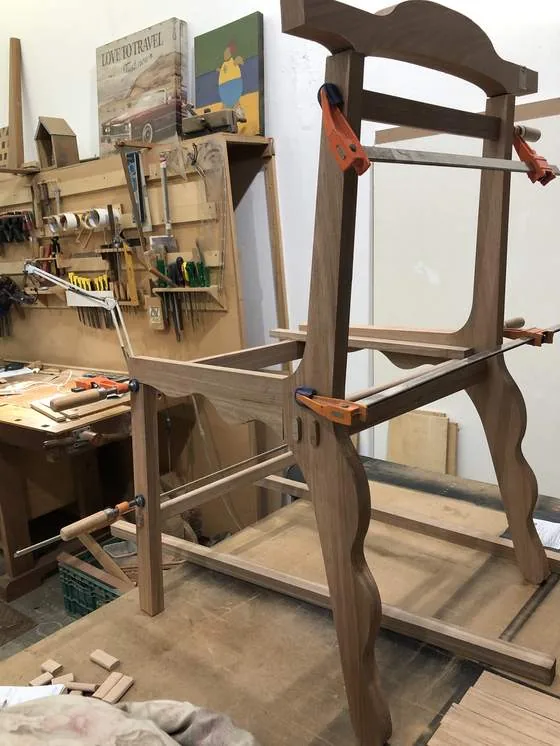
The structure is glued and held in clamps until the glue has fully cured.
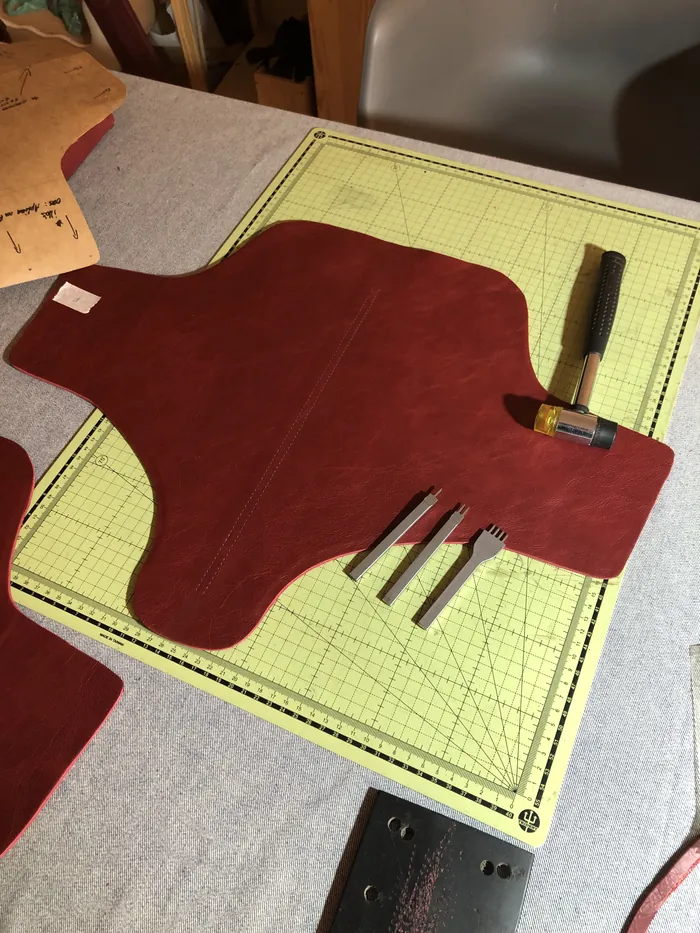
The leather is cut over the template, following the shape of the seat and backrest.
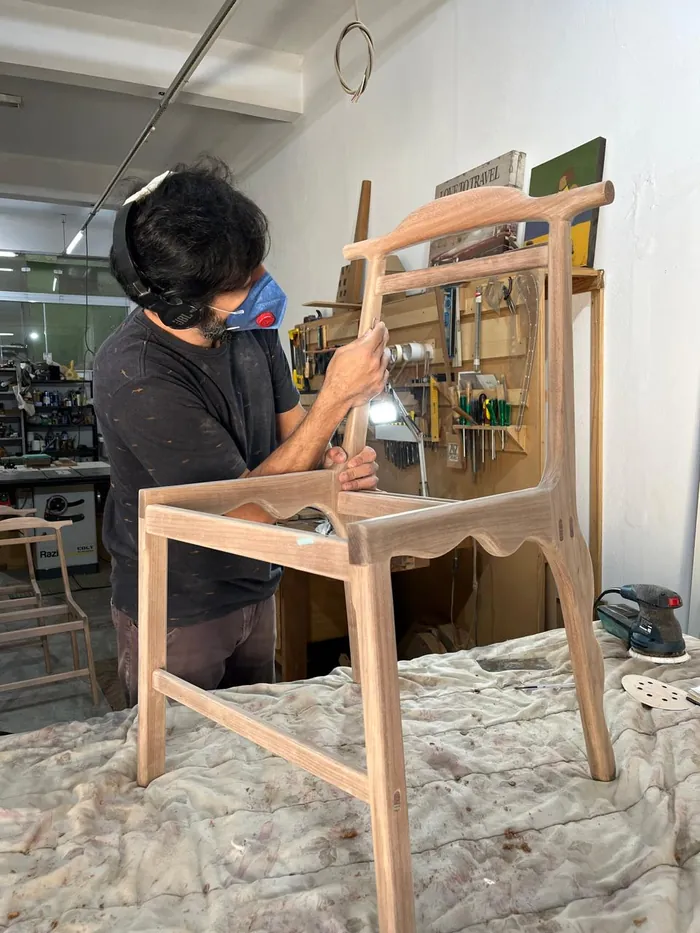
Before finishing, the raw structure is sanded by hand, piece by piece.
Two materials,
two colours.
The firmness of leather. The warmth of wood. The delicacy of the weave.
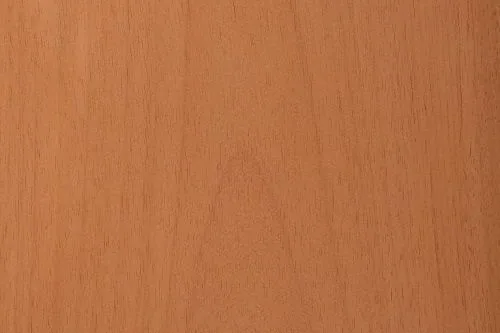
The warmth of wood — solid, light and made to last, at the base of the whole piece.
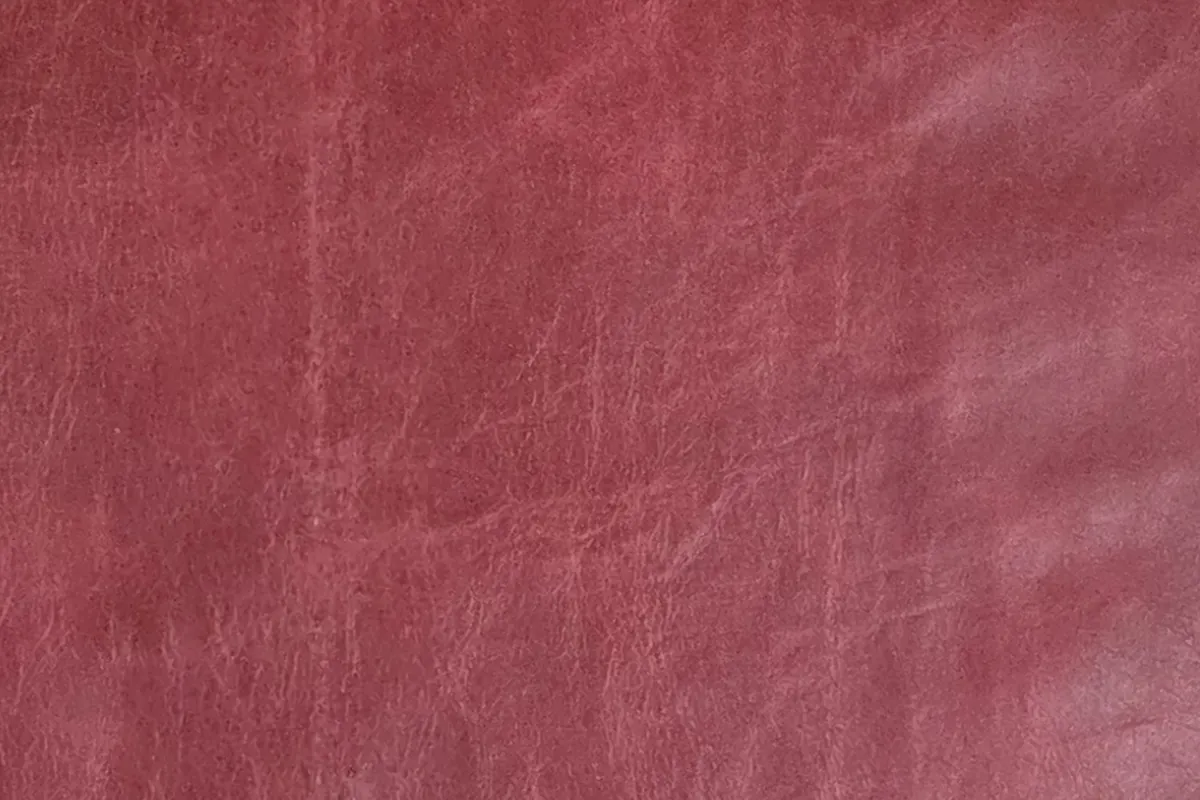
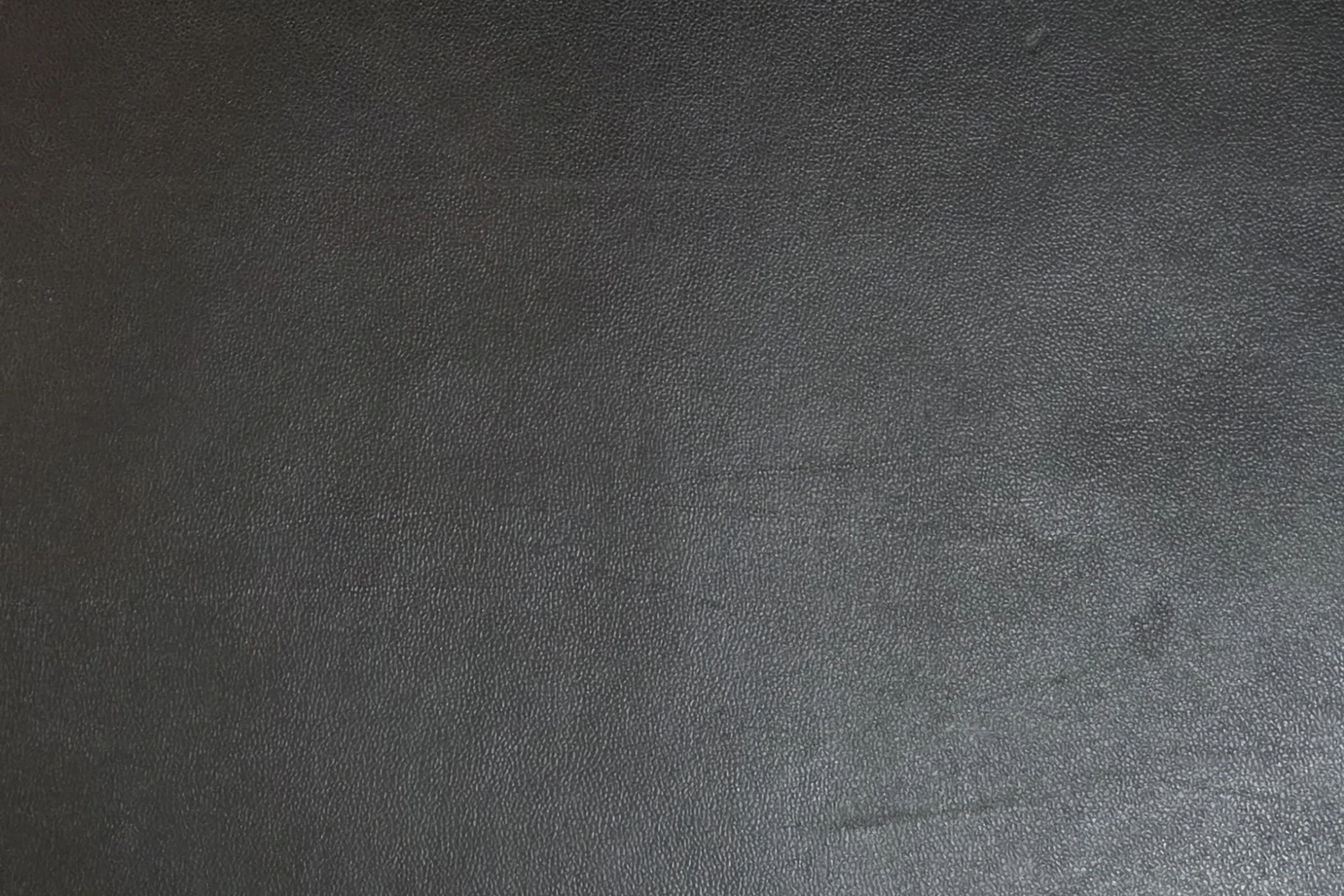
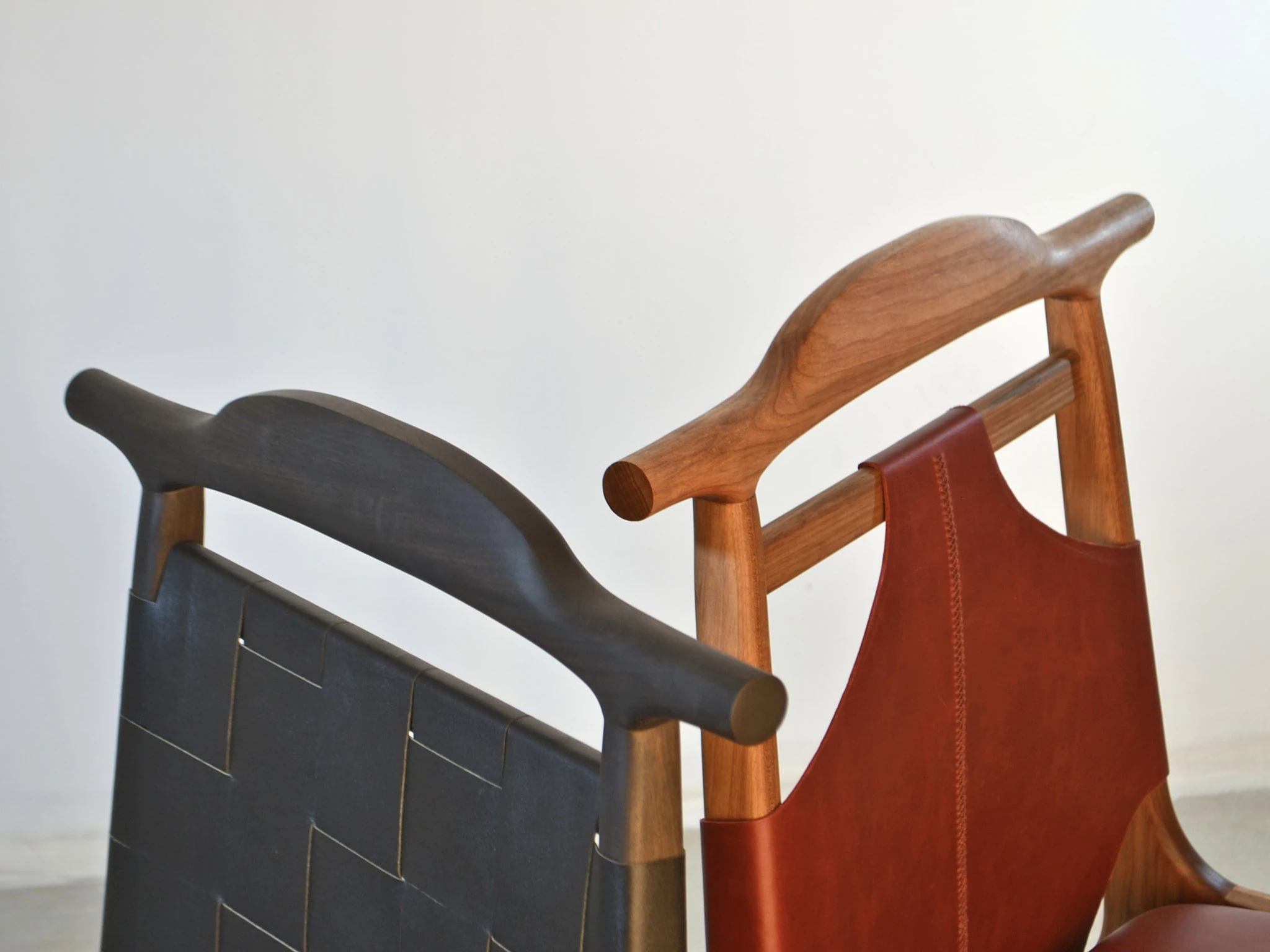
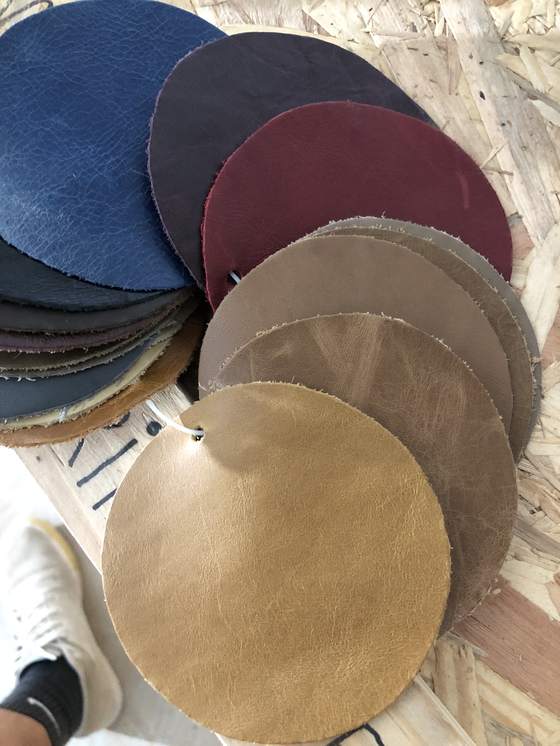
Natural leather, in black or red, with two possible finishes: smooth or hand-woven. In the natural version shown, the red leather is smooth; in the ebonized version, the black leather is woven on the backrest.
Where the hand
shows.
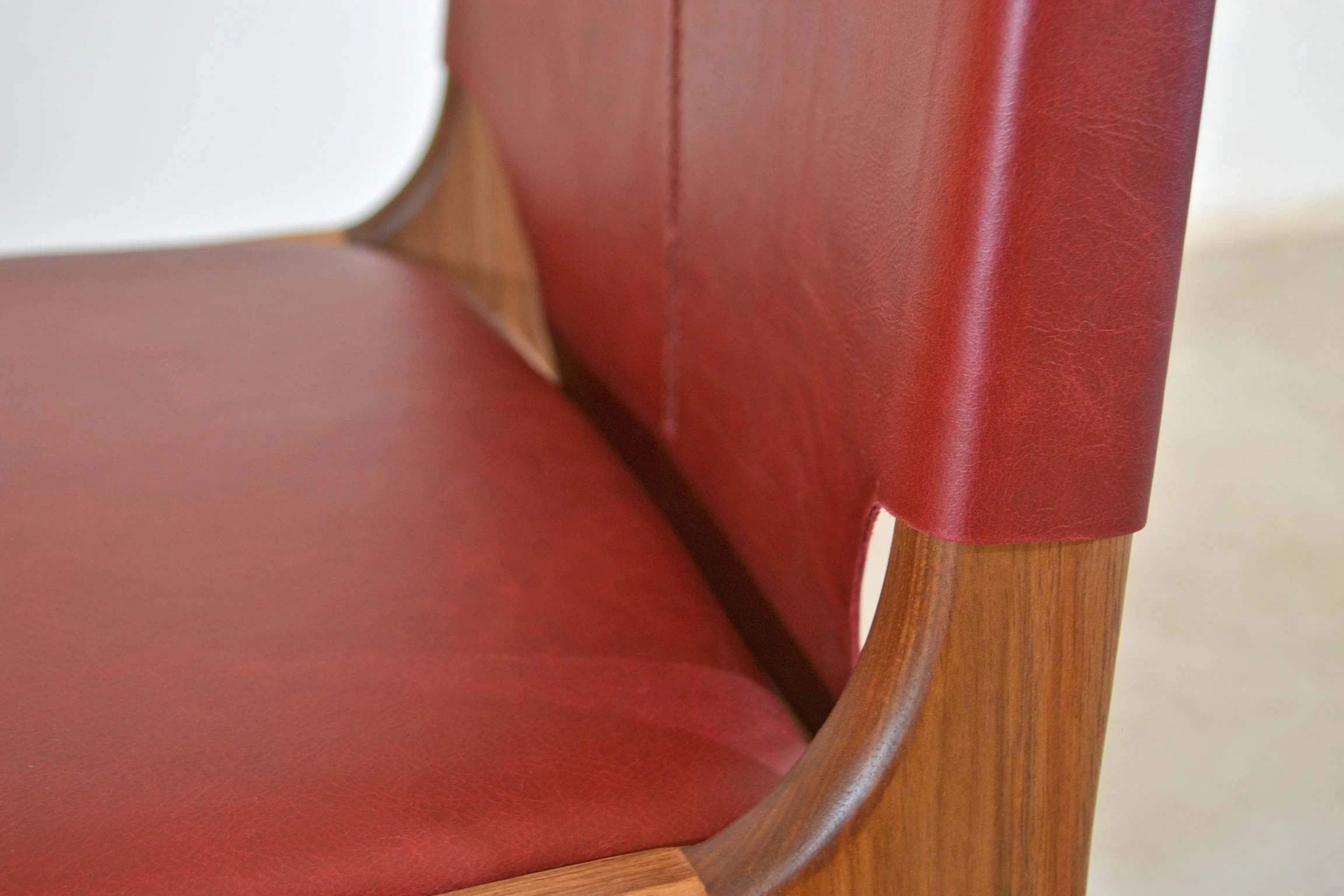
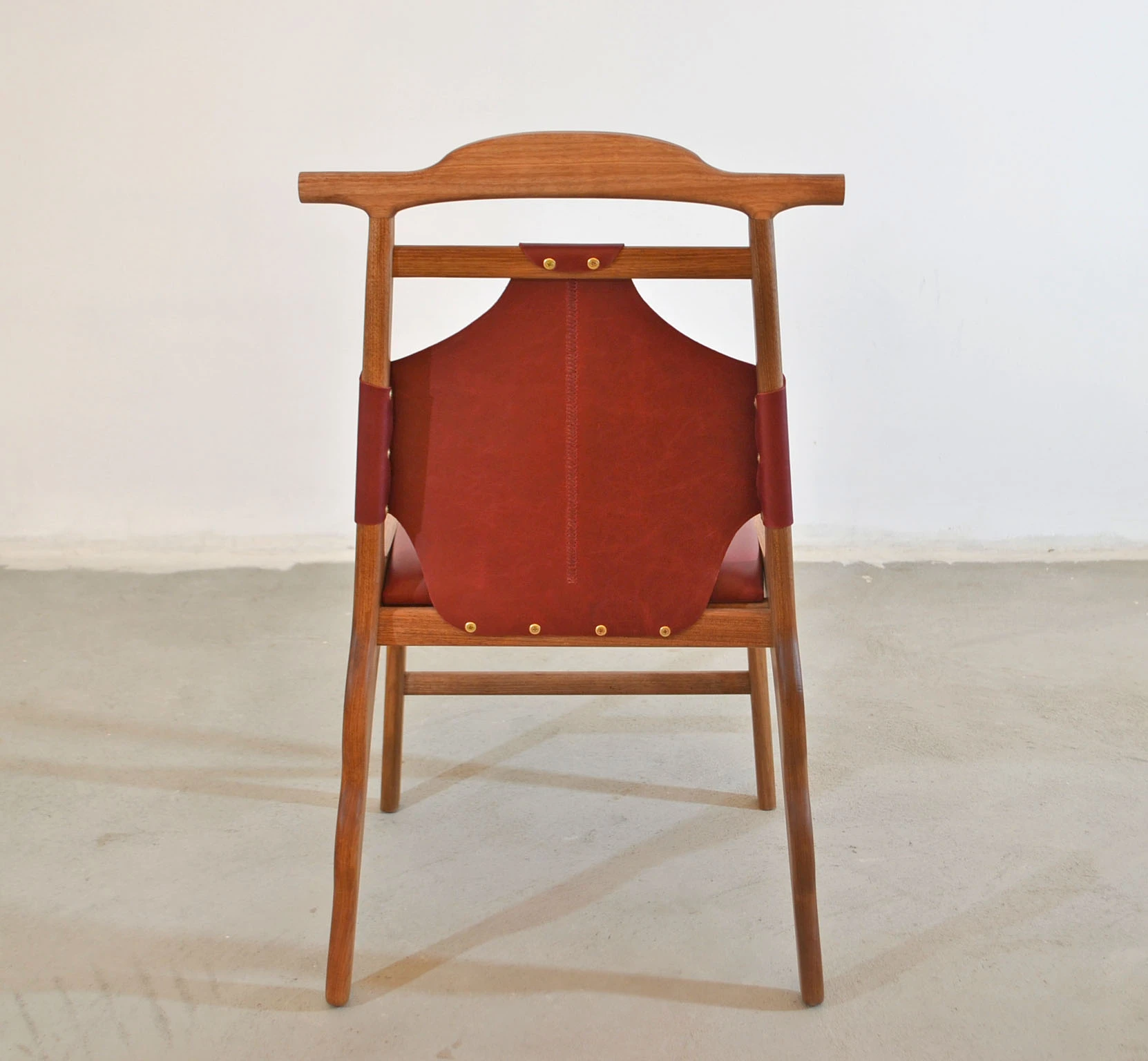
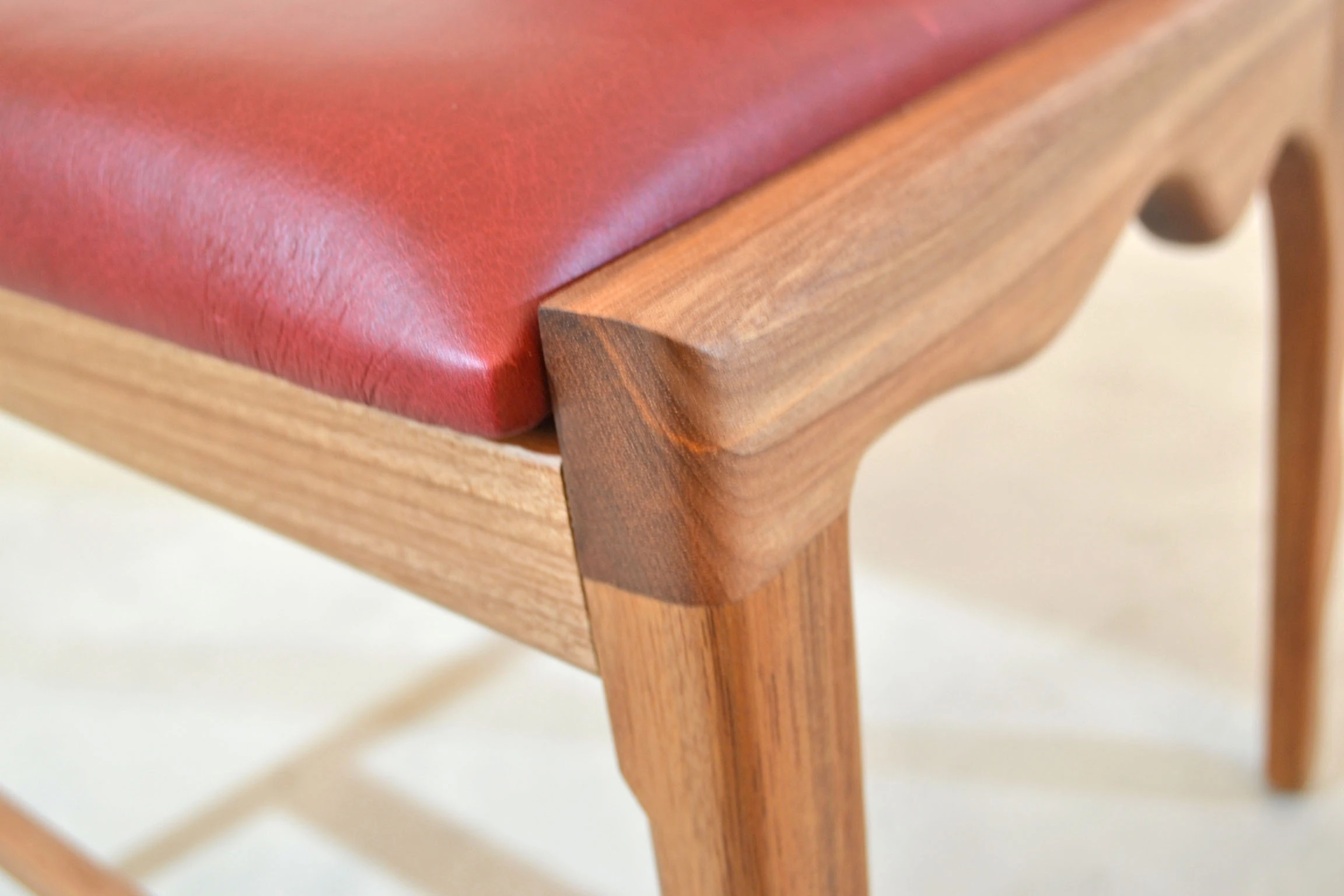
The leather of the natural version: red and smooth, on the seat and backrest.
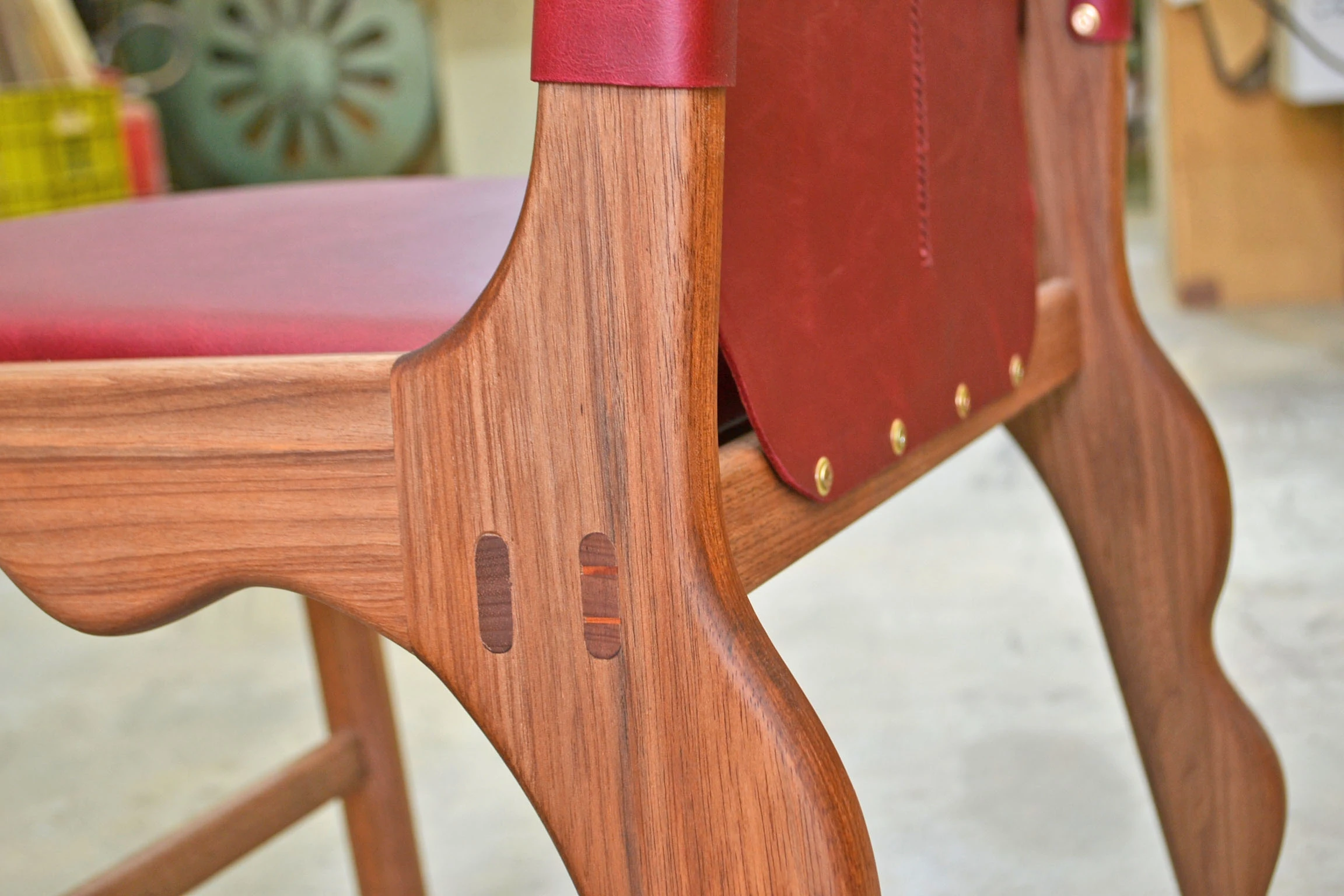
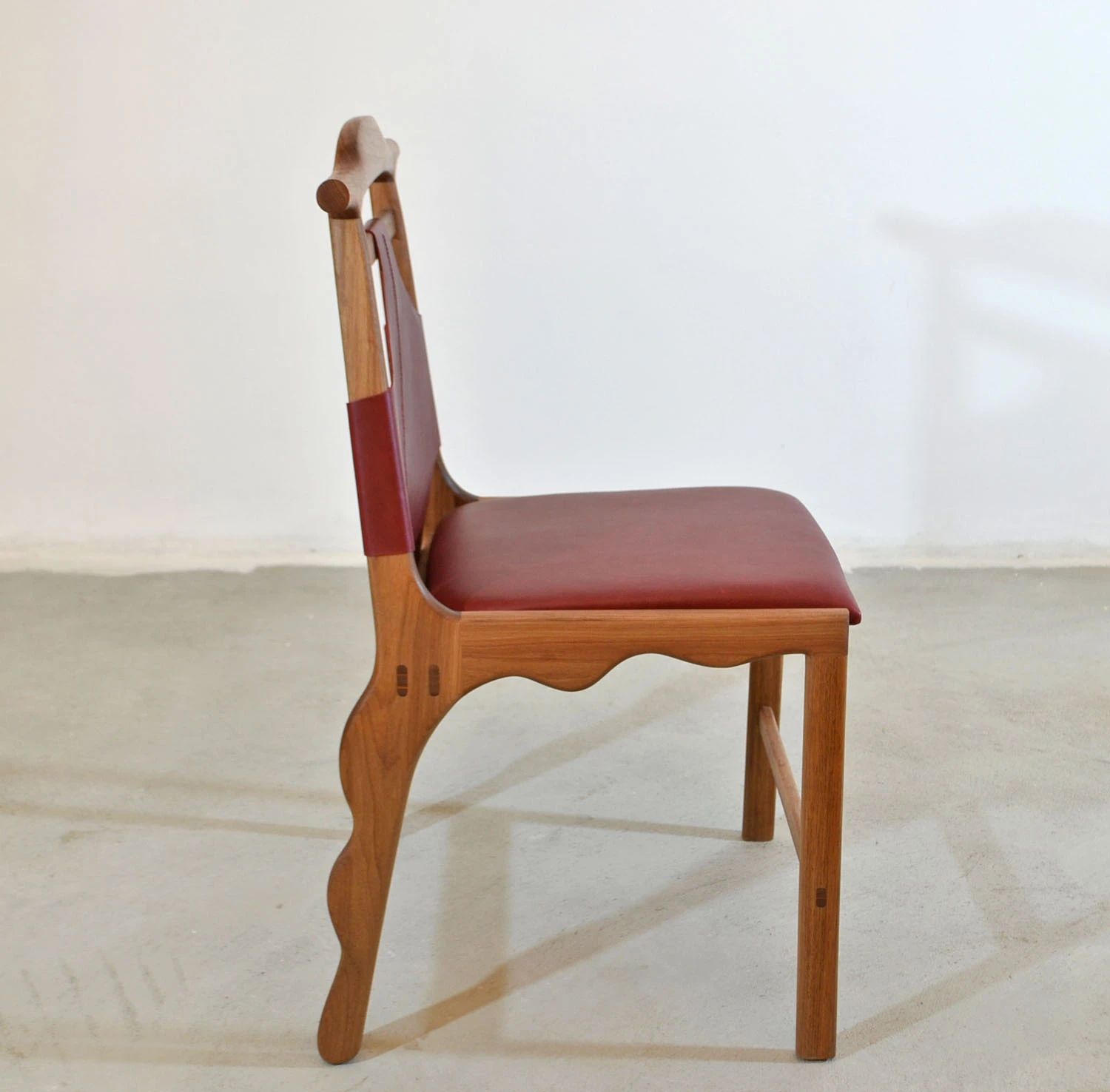
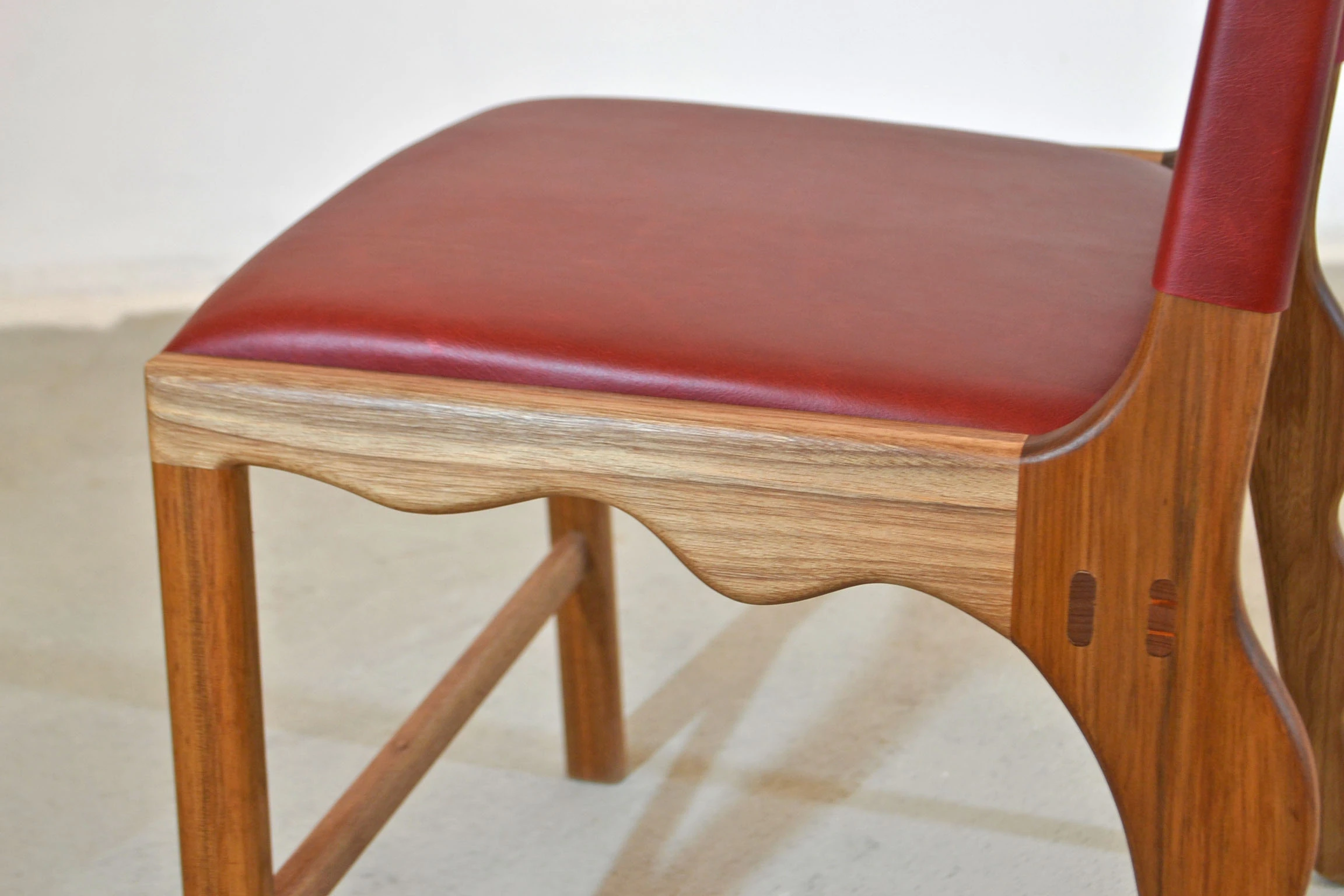
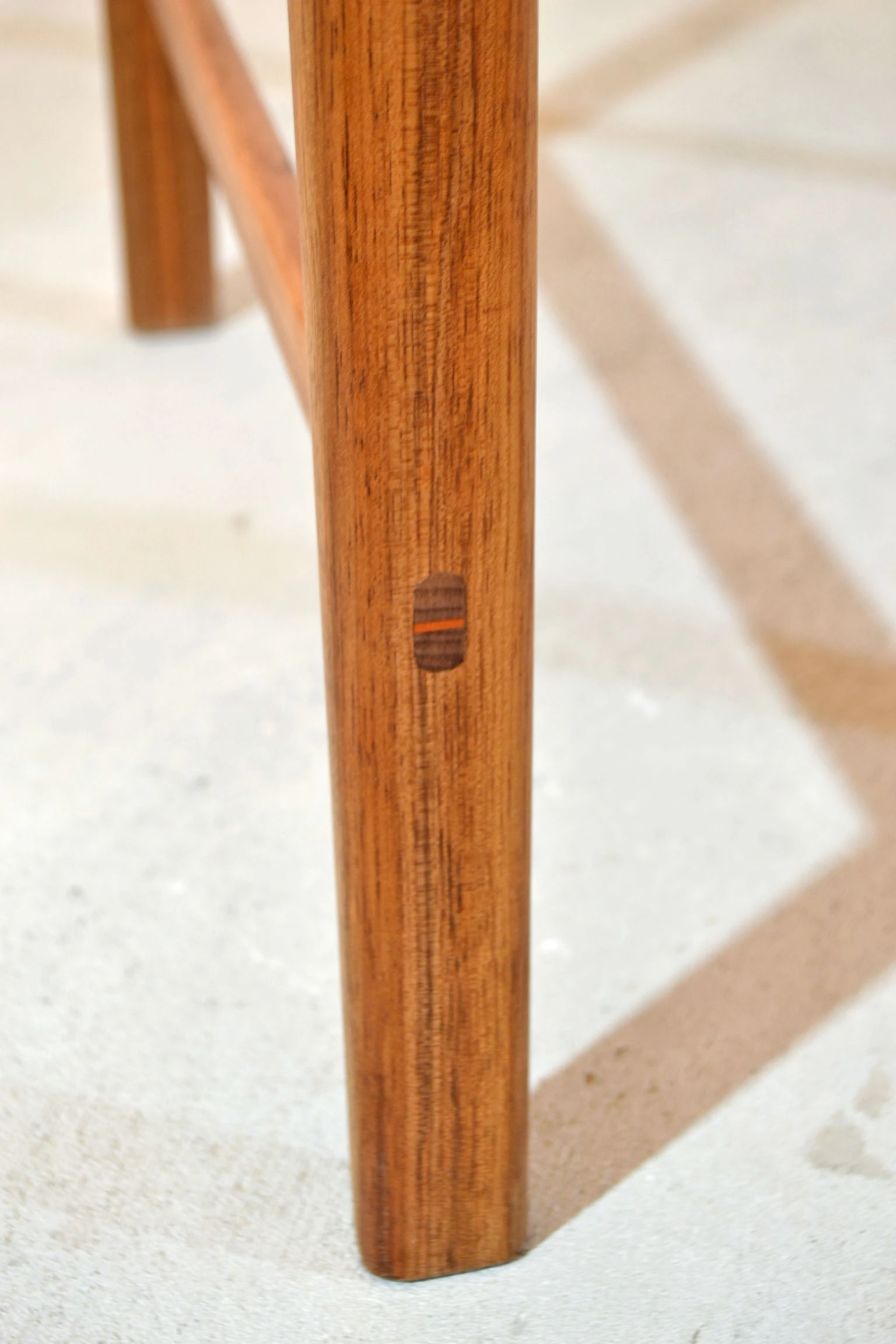
Wooden pins mark, on the outside, where the leg meets the seat.
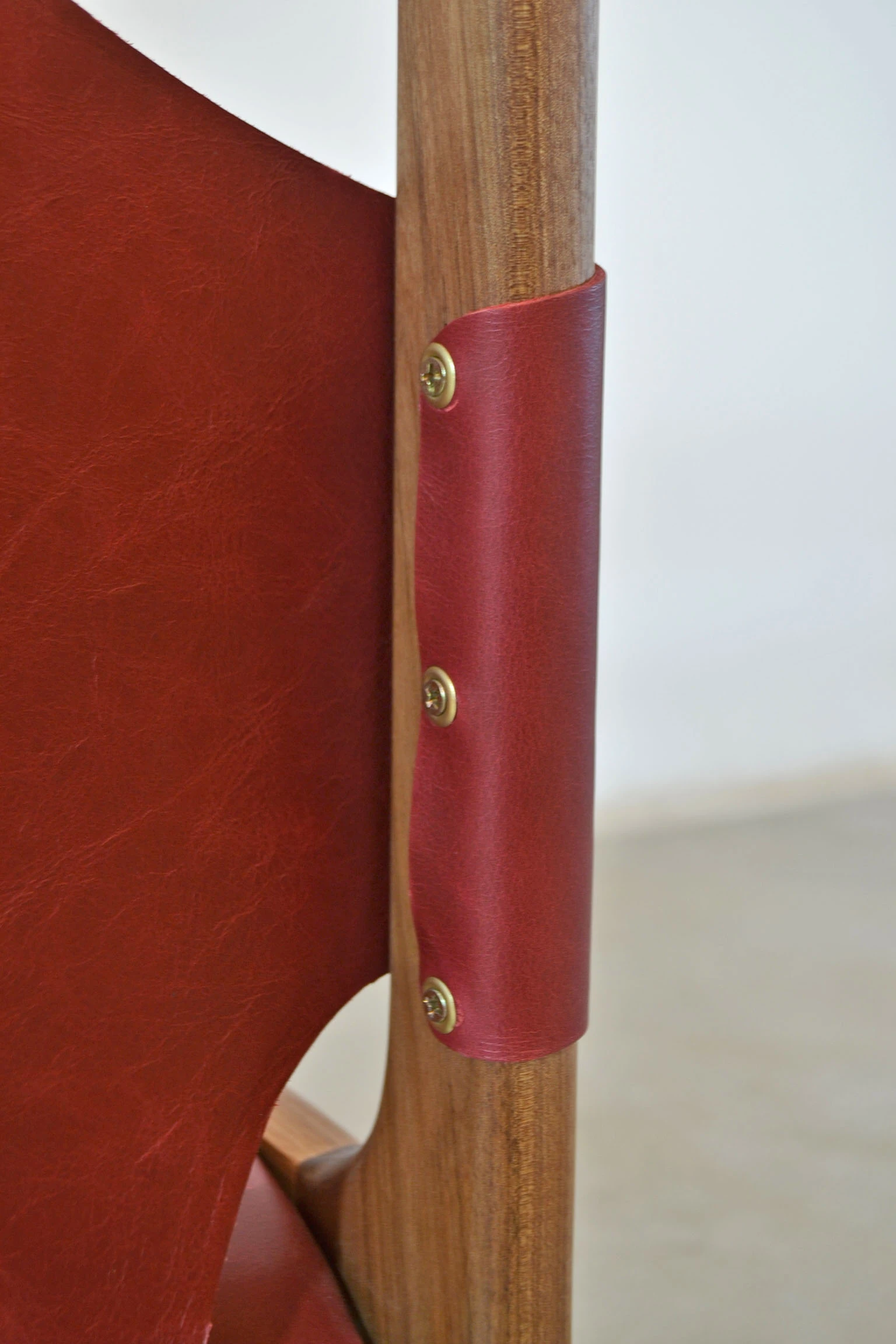
Brass tacks fasten the backrest leather to the frame.
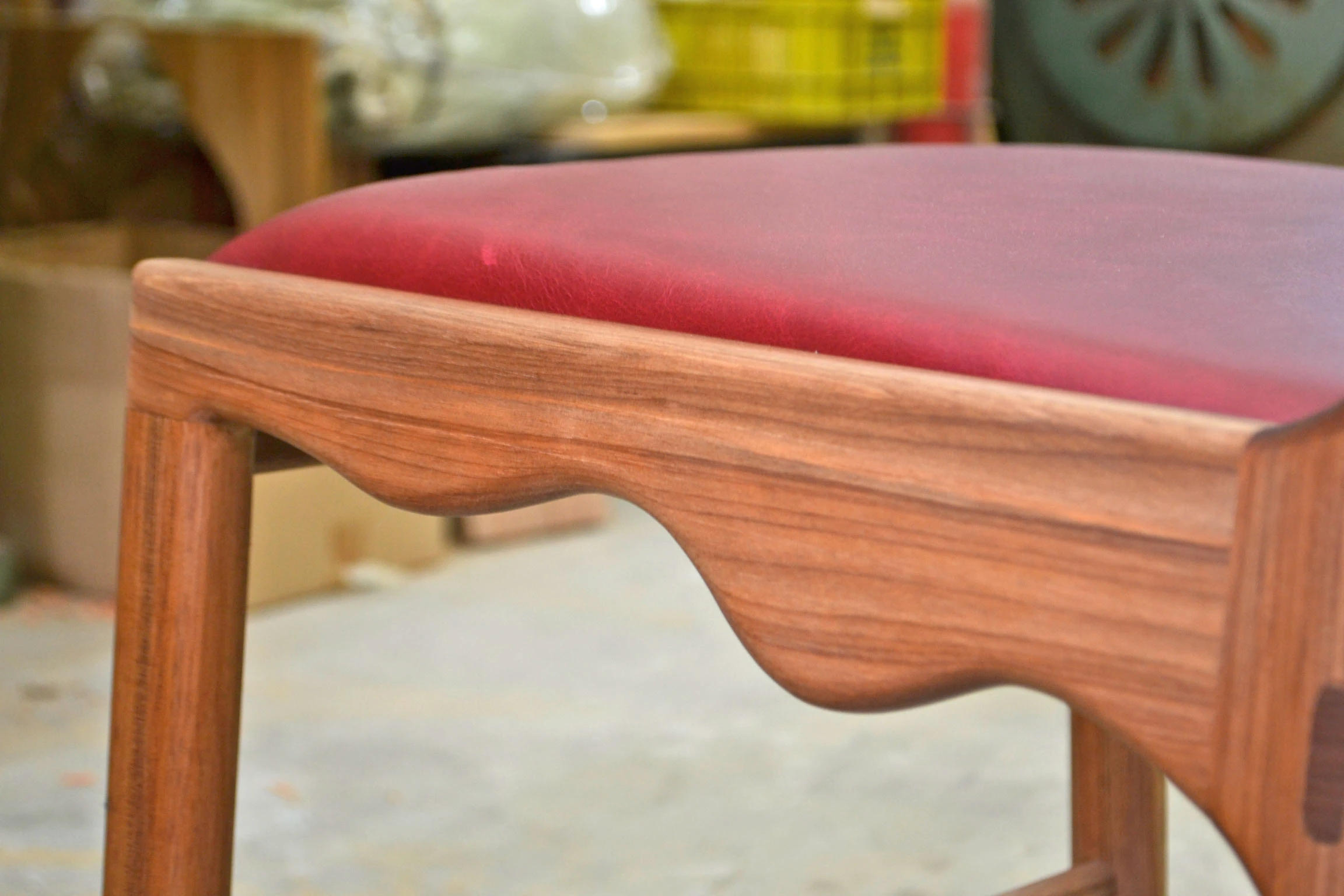
The wavy cut of the apron follows the seat and lightens the visual weight of the structure.
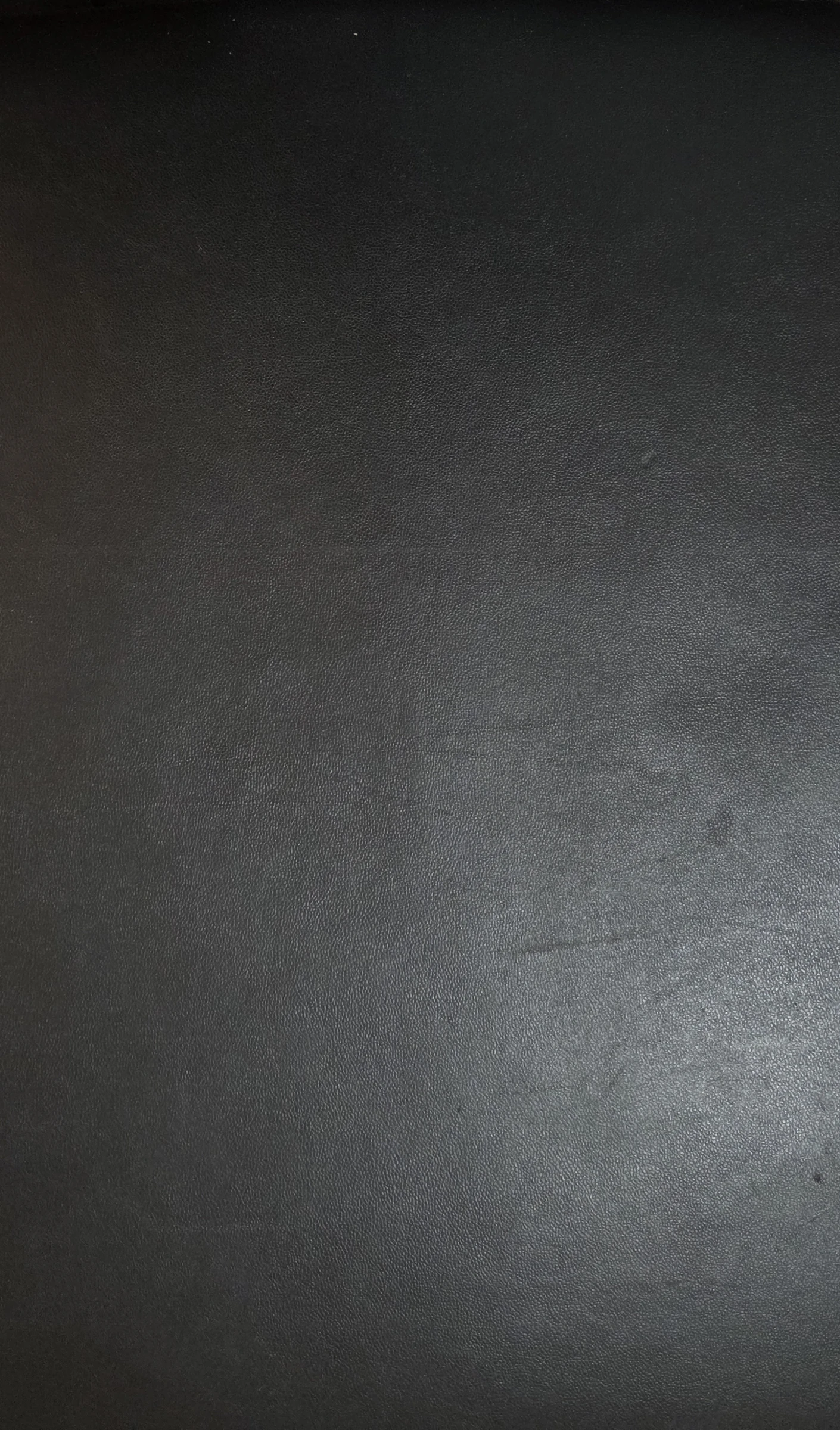
The leather of the ebonized version: black, on the seat and in the woven backrest.
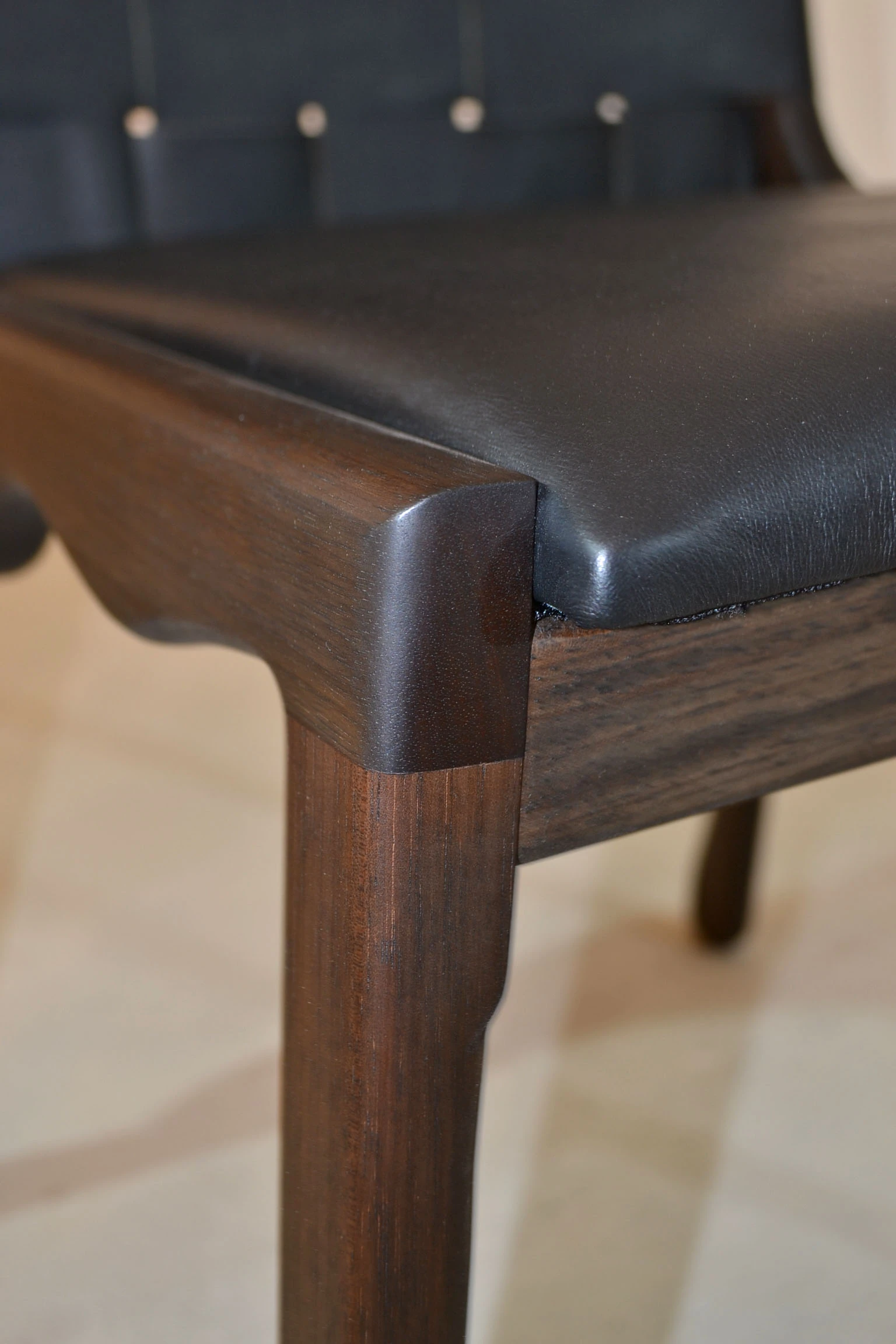
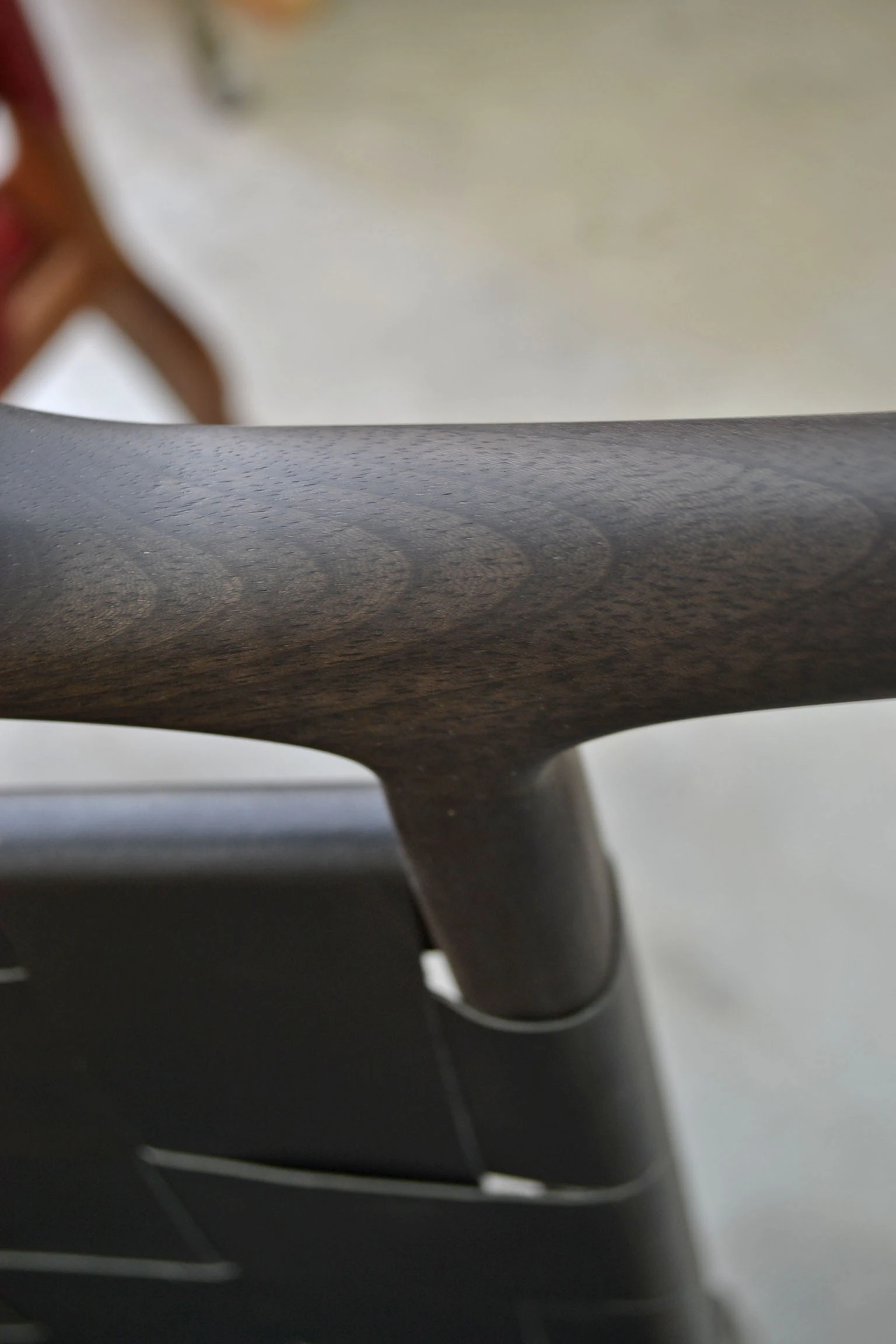
The curve of the leg receives the seat in a single joint, with no visible screws.
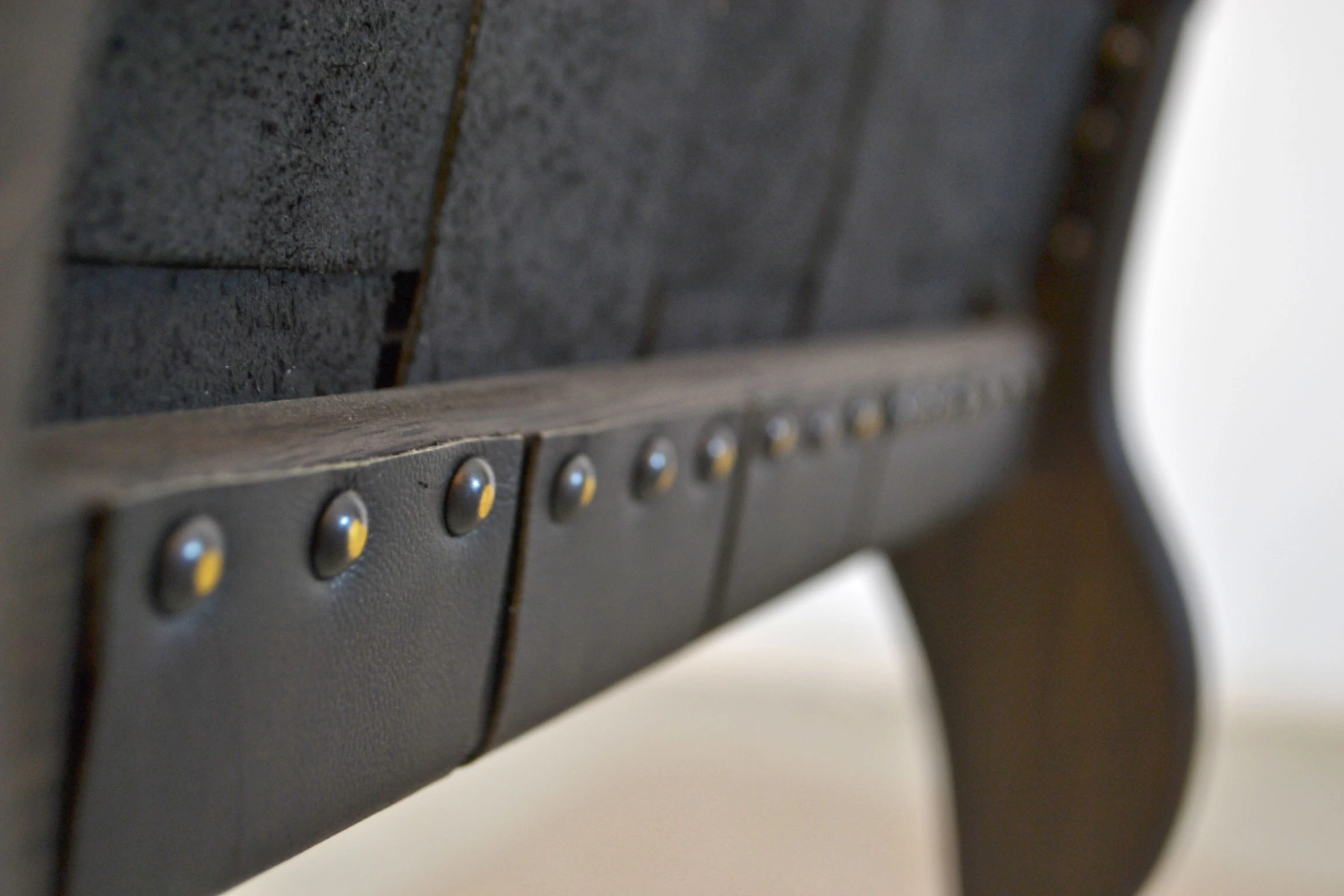
Tacks fasten the woven strips to the backrest rail.
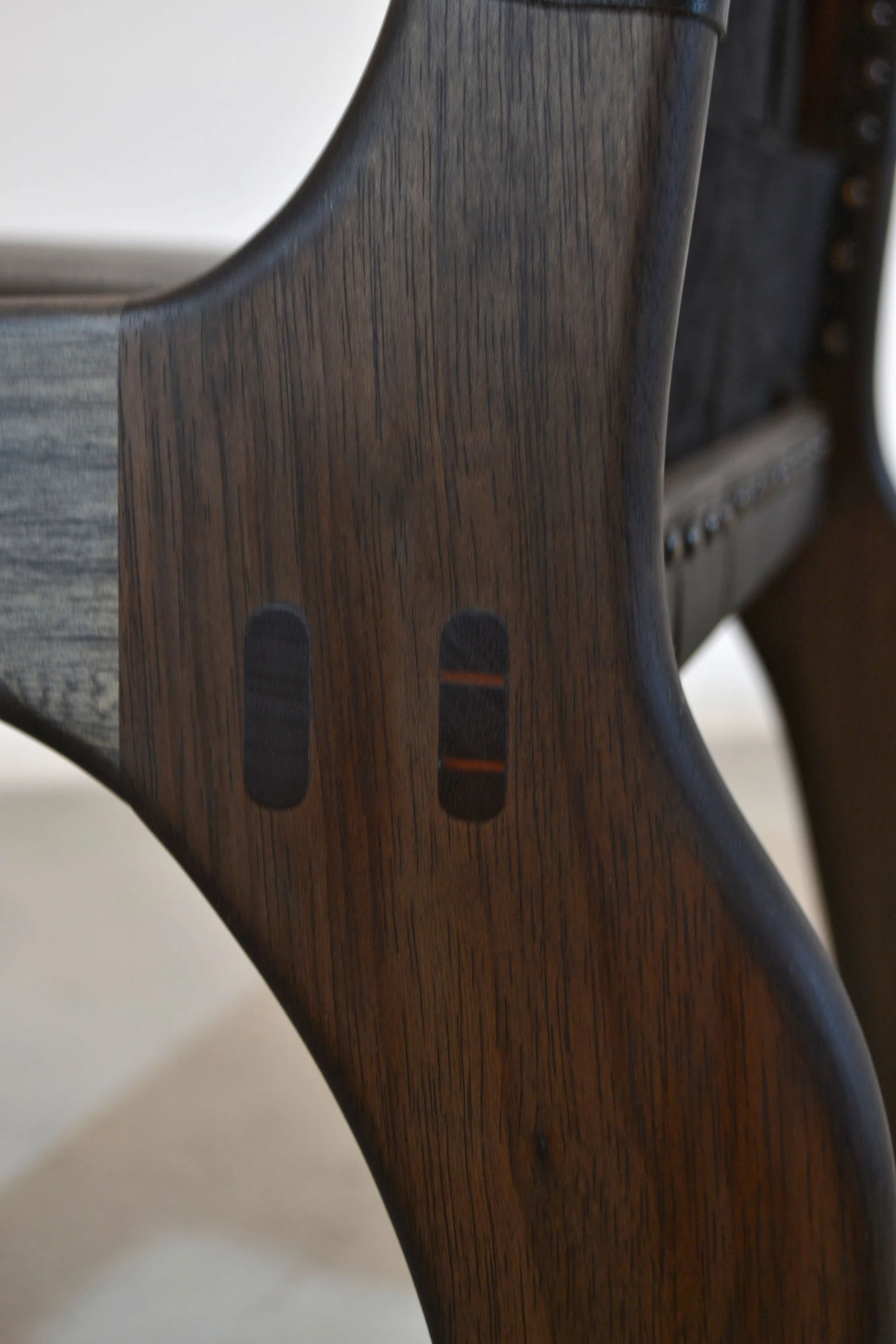
Wooden pins mark, on the outside, where the leg meets the seat.
From a line on the floor
to the chair.
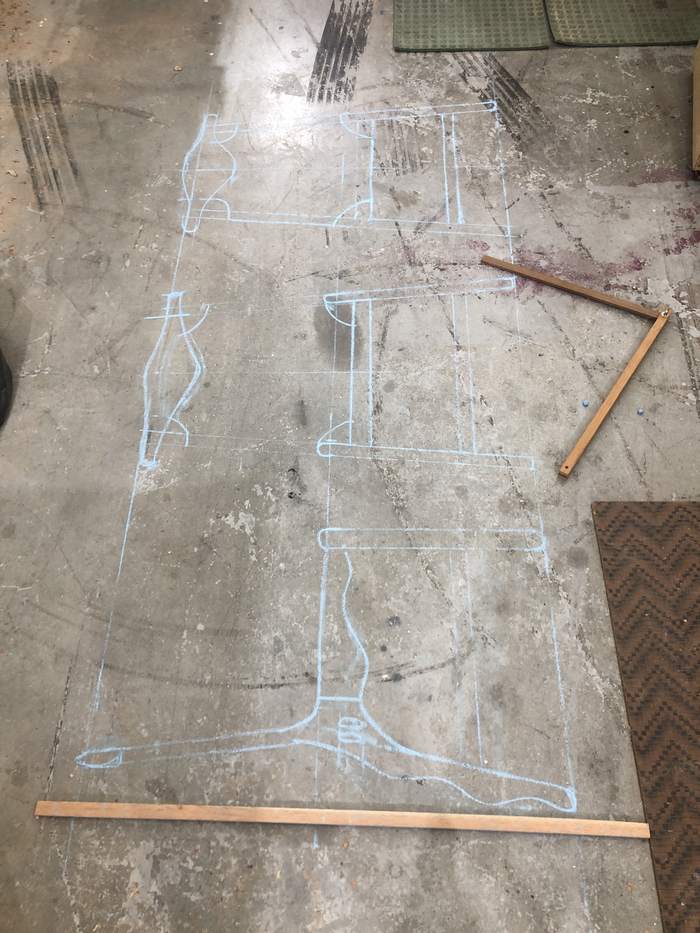
The drawing of the piece, marked out full size on the workshop floor before cutting.
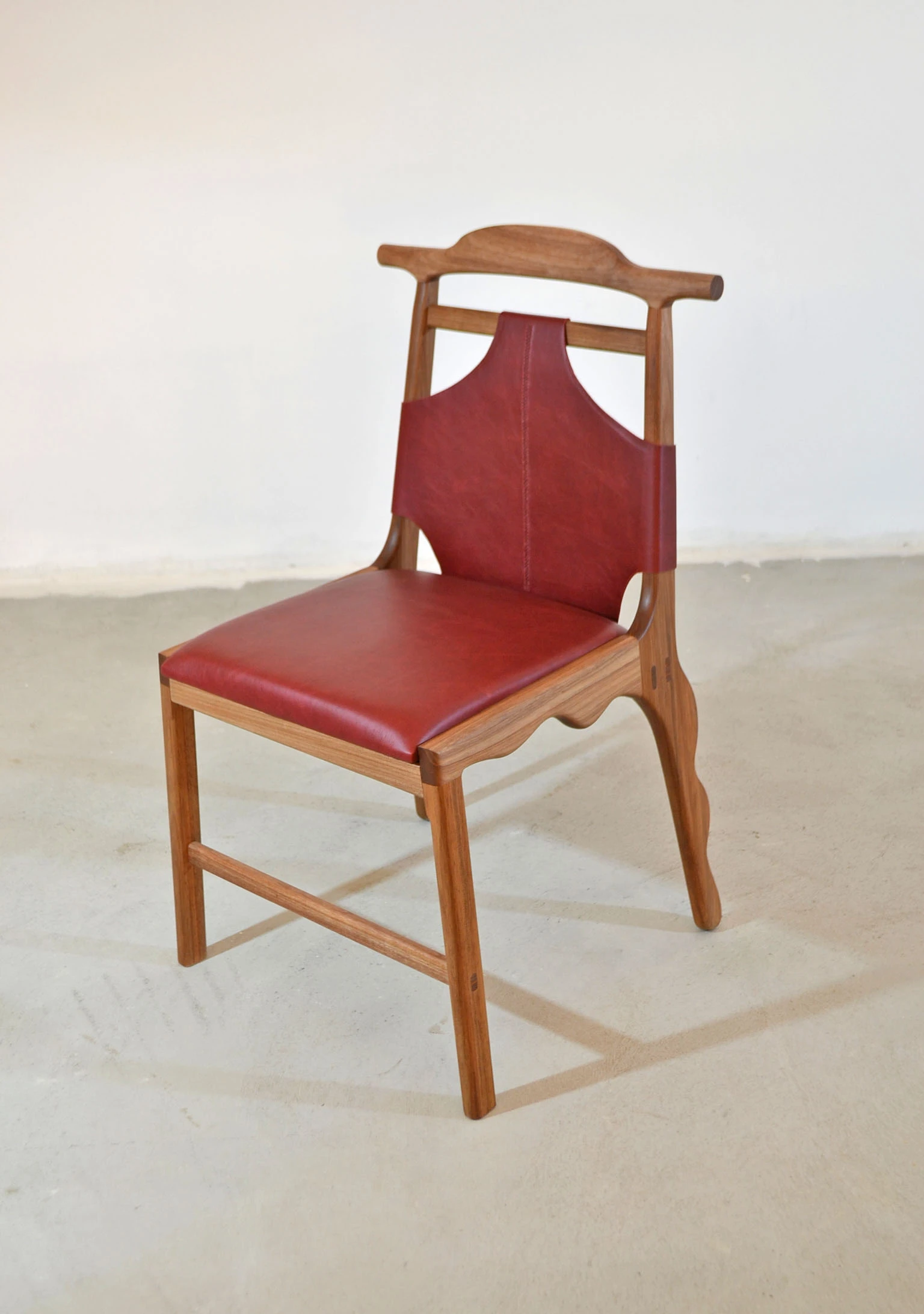
The finished chair, in the natural version with red leather seat and backrest.
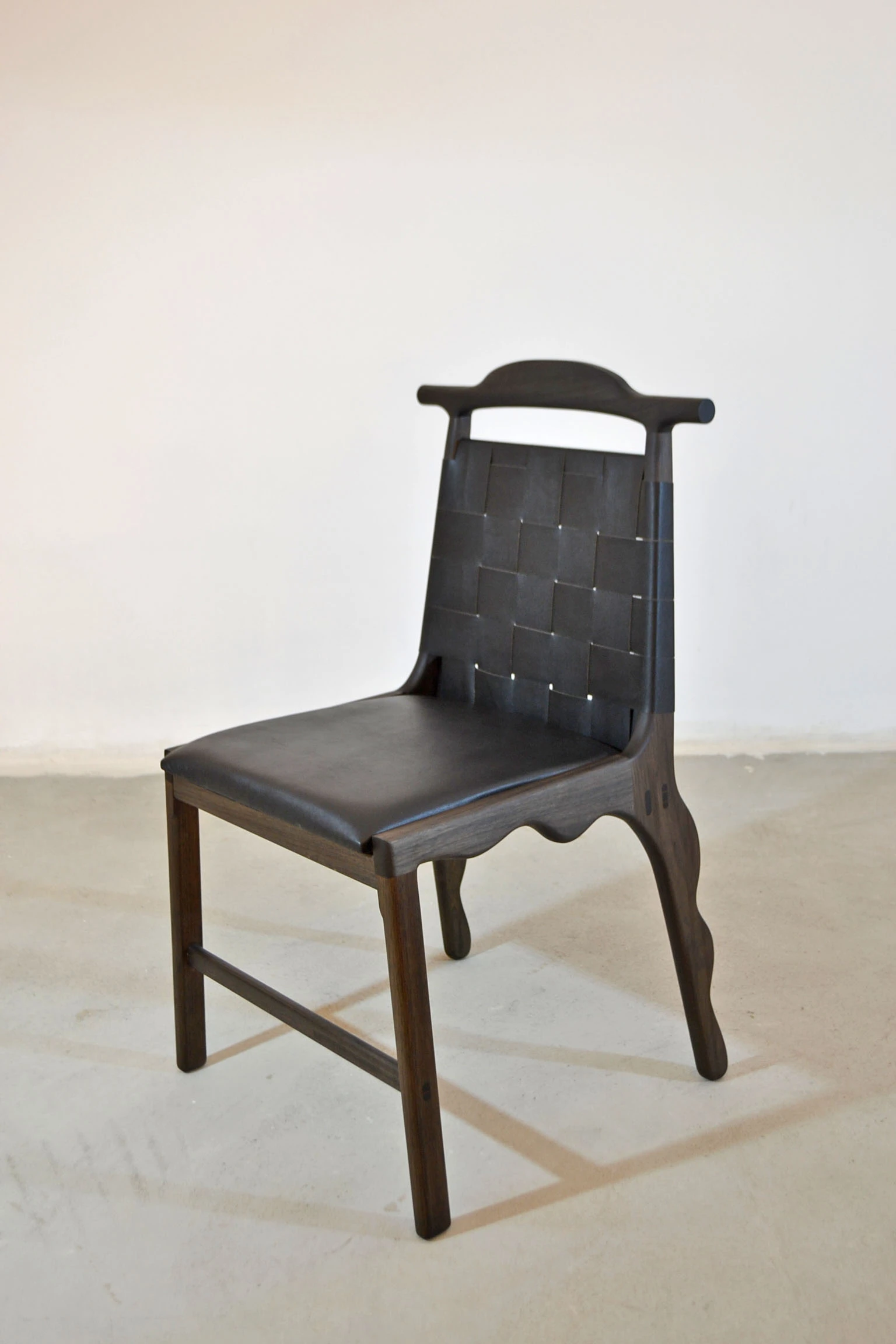
The finished chair, in the ebonized version with a hand-woven backrest.
A memory
that became form.
Presence and absence meet here: the firmness of the leather, the warmth of the wood, the delicacy of the weave. A tribute made of material, line, gesture and memory — a light chair, made to last, in two versions: natural and ebonized.
Have a piece in mind?
Tell us about the space, the use and the wood you love. We'll design it together from there.
Chat on WhatsApp → (opens in a new tab)